|
|
| Page 1 2 3 4 | |
| transcript : | How is a Mondrian changed by the addition of your connected piece? |
| Tatsuo Miyajima : | The Mondrian changed and keeps changing as a consequence. |
| t : | What would happen if you removed the Mondrian? |
| M  : |
[In English] Good question. The Mondrian and the connected piece are bringing together of the two cultures, East and West, so the Mondrian is essential to the Mondrian pieces. |
| t : | Have any other artists prompted you to respond to their work? |
| M  : | I am in the process of responding to a particular dancers art in a new collaboration. I want to create a time- dance. This is at an early stage, but this might possibly be an extension of this idea. |
| t : | Why do you avoid using zero? |
| M  : |
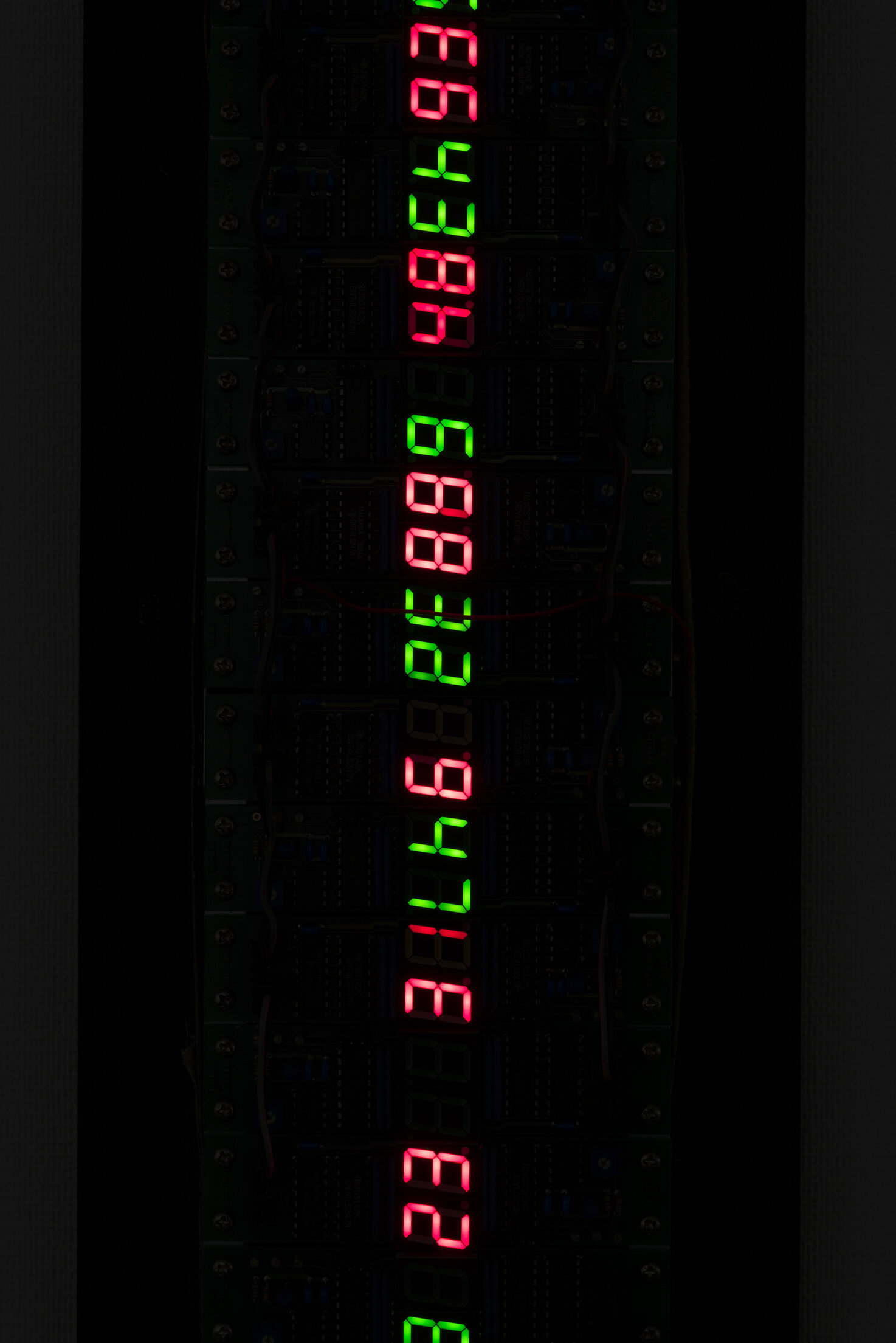
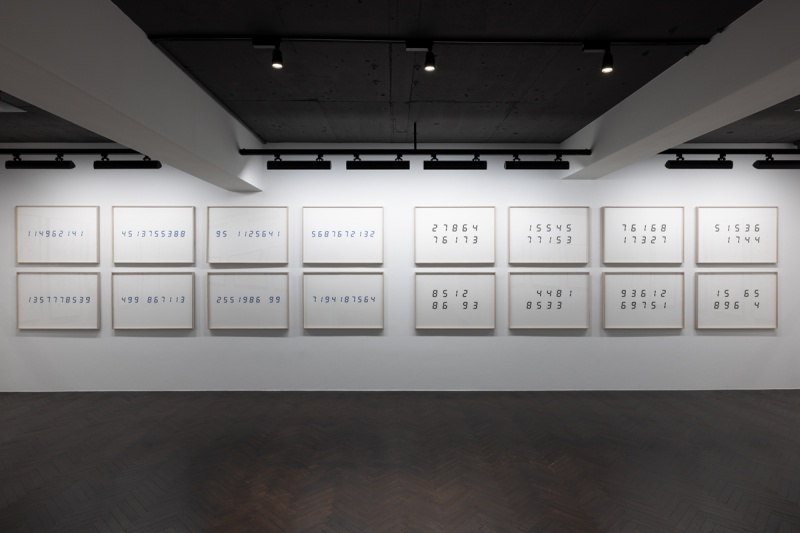
Zero is discovered in the sixth century in India. It meant nothingness, and at the same time, it had associations of plenitude, of increase, of expansion. Avoiding zero is a deliberate inclusion of a void a rejection of the idea of nothingness, a recognition that the duality in the original meaning had been lost. Taking out zero focuses attention on zero. Zero is very important whether we like it or not. One reason for this is that it is a symbol for death. But this view has been modified, ameliorated. For example, one Japanese philosopher, Daisaku Ikeda, suggests that zero is not nothingness but rather the rest of life. And like the rest of life it prepares for the next part of life, like sleep at night is a restorative for the day ahead. And like sleep every night, zero keeps repeating itself. |
| t : | What about zero space, of the kind you have previously described in terms of some of your exhibition environments? |
| M  : | I am interested in the idea of voids and solids. |
| t : | How do you tune your installation work to its intended space? |
| M  : |
Space responds to my work. I also collaborate with space. |
| t : | Your work is silent, but some people tell you that they are sure that they can hear sound. What do you think the ears might be doing when the audience encounters your work? |
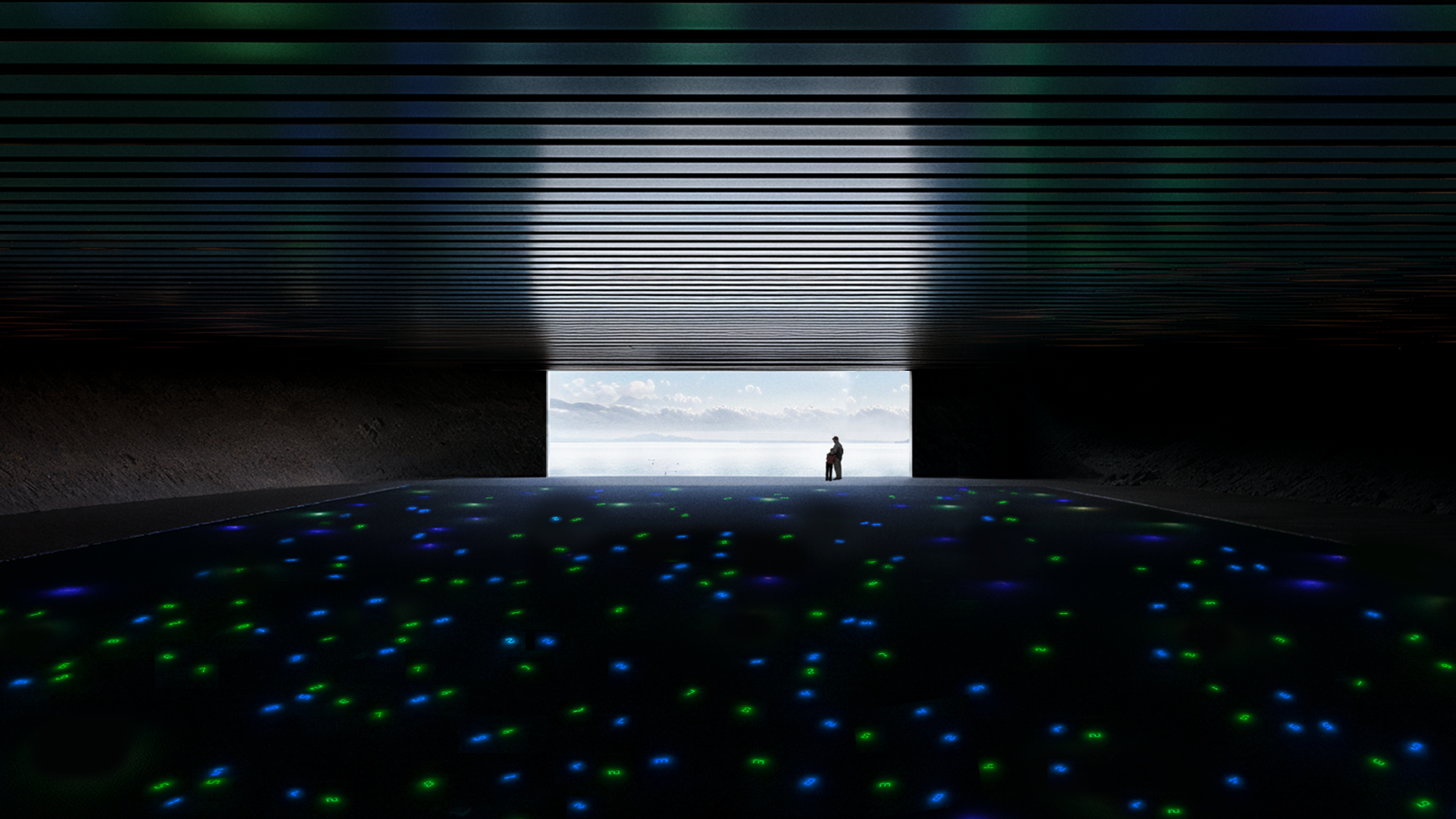
| M  : | There are going to be sounds in any work despite the apparent silence, it is because of the way sound works in void-like situations but where there are also visual stimuli. Also, numbers form a rhythm. We hear them.Rhythm, in turn, has an influence on what we see. |
| t : | Do we hear, as individual members of an audience, different things? Of course we must |
| M  : | I dont know because I am not you. But I think art is like a mirror. We discover ourselves through art. |
| t : | Do we listen differently in the West and in the East? |
| M  : |
To think that we listen differently is easy and to work in response to that assumption is also easy. Difference is obvious and it is on the surface. A deeper idea and a broader view of listening is to think in terms of what can be universally grasped and to make art that can be universally grasped. |
| Page 1 2 3 4 |
|
|
|||